
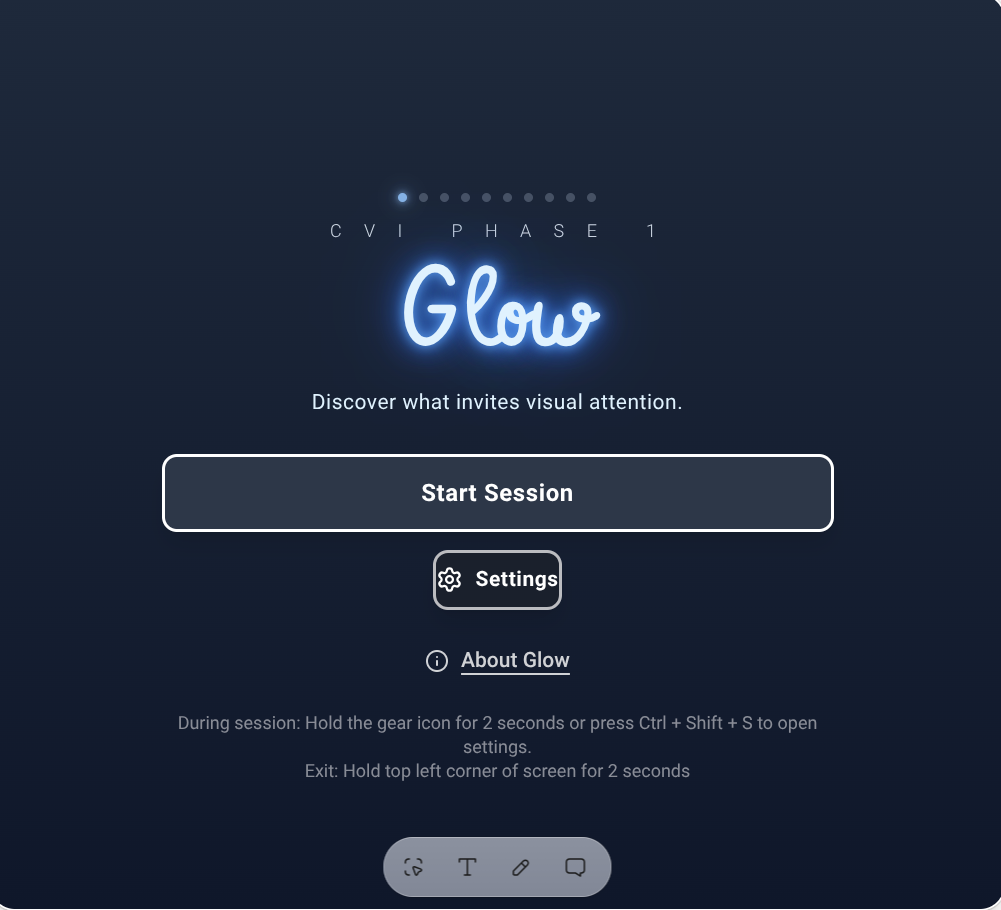
Glow
An uncluttered visual environment for attention, visual readiness, and sustained looking.

Simple apps and activities that help learners learn to look, find, follow, and touch using their vision.
Most learners begin with one of four everyday visual skills — looking, finding, following, and touching. Choose the one that sounds most like the learner you have in mind.
Begin with looking—helping a learner notice, orient toward, and sustain attention to a clear visual target.
Move into finding—locating a target, noticing its appearance, and shifting gaze between visual areas.
Practice following—tracking a moving target across simple, predictable pathways.
Explore touching—connecting looking with intentional interaction through accessible cause and effect.
Many learners begin by developing simple visual skills such as looking, finding, following, and touching. These pathways provide a practical way to explore the Learn to Look collection.
Answer a few simple questions and Learn to Look will suggest a place to begin.
Learn to Look offers simple, adaptable apps that support visual attention, movement, interaction, and early visual learning. Educators and families can adjust color, movement, complexity, pacing, sound, and touch to meet individual needs.
Many of these apps were originally developed for learners in the early stages of using vision, including many students with Cortical Visual Impairment (CVI). Their simple, adaptable design also makes them useful for a wide range of learners who benefit from reduced visual complexity.
An uncluttered visual environment for attention, visual readiness, and sustained looking.
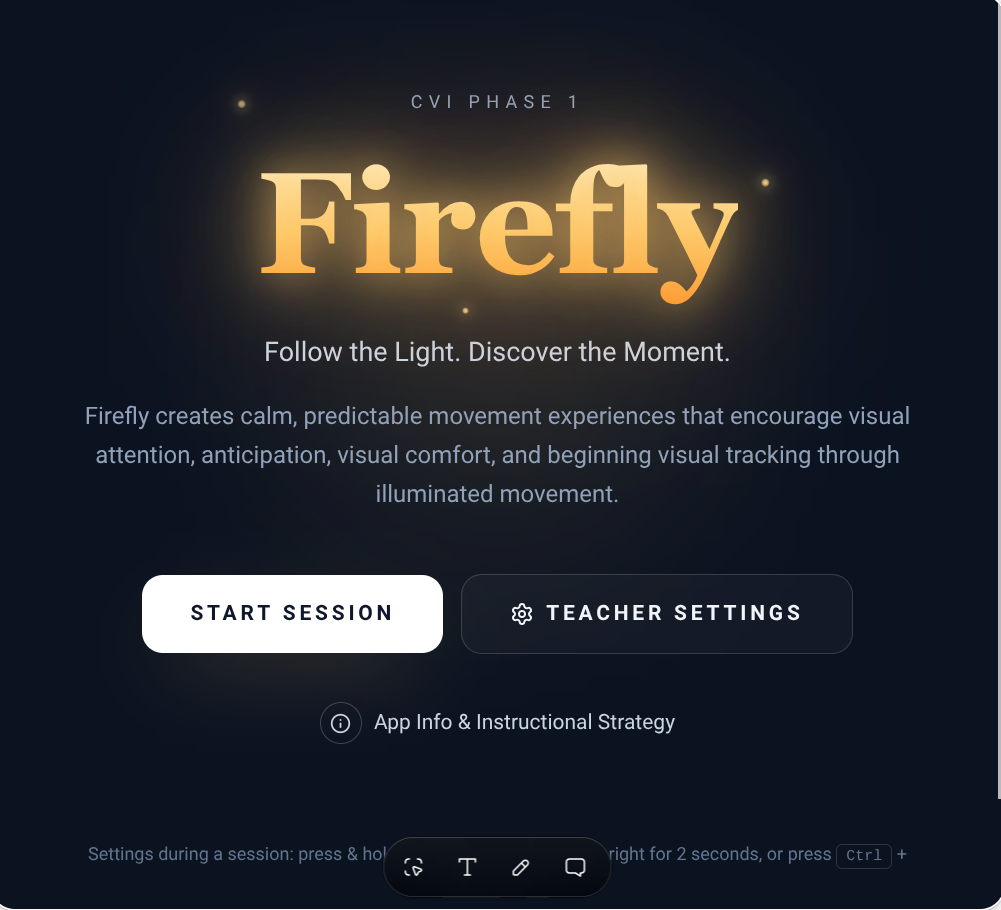
A flexible tracking experience using illuminated targets, simple movement, and adjustable visual complexity.
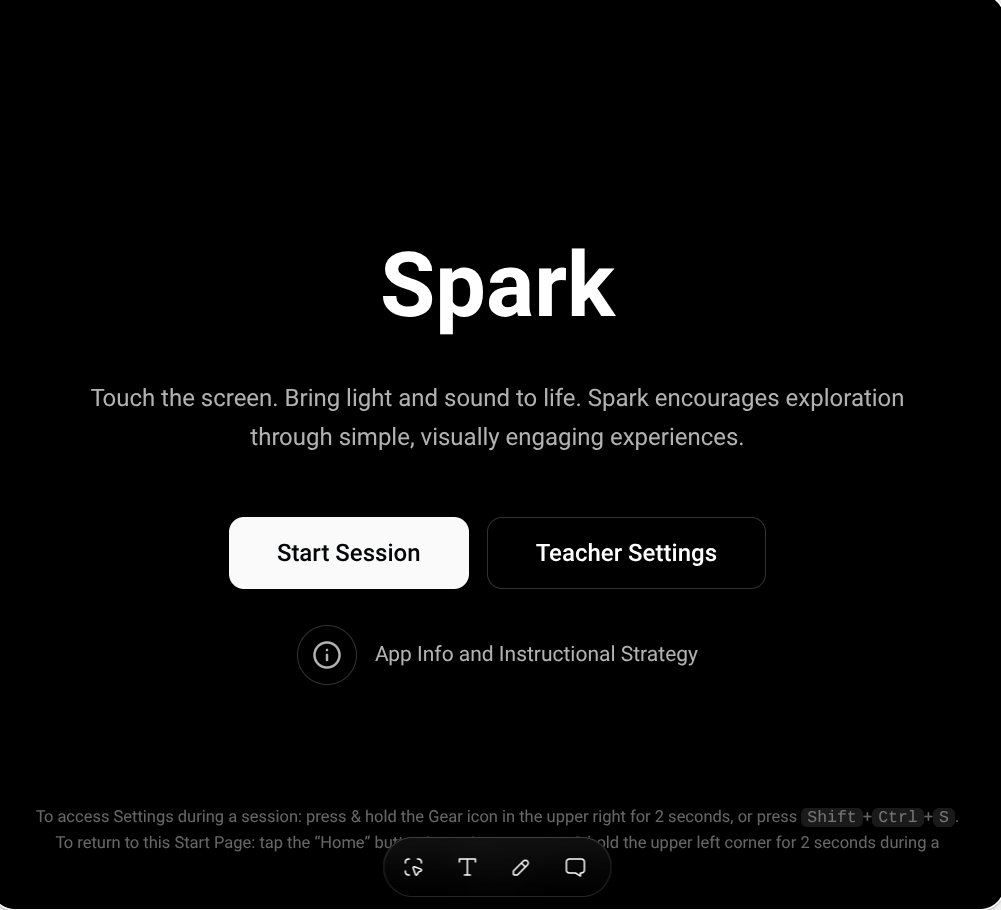
A responsive cause-and-effect environment where touch creates light, color, and movement.
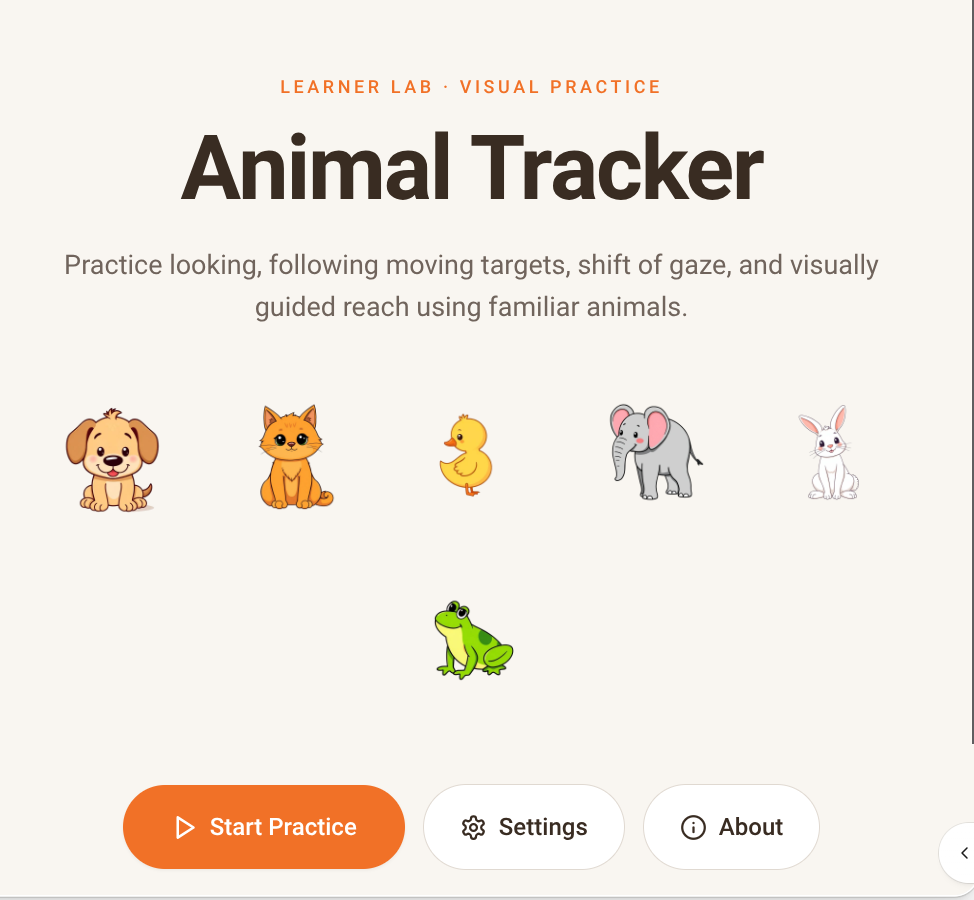
Structured visual tracking practice with adjustable targets, paths, pacing, and complexity.
Connect apps and activities to observable visual behaviors, instructional goals, and daily routines.
Find approachable ways to support looking, participation, and visual access at home.
Adjust visual demands, positioning, movement, pacing, and interaction to complement individual assessment and intervention.
Learn to Look is being developed by a vision teacher who has spent years supporting learners with cortical visual impairment, low vision, and complex needs. It brings together practical teaching experience, accessible design, and a belief that visual learning should begin with the learner.

Browse the apps and activities, adjust them to fit the learner, and see what they notice.